
What Is a Nofollow Backlink? Complete Guide
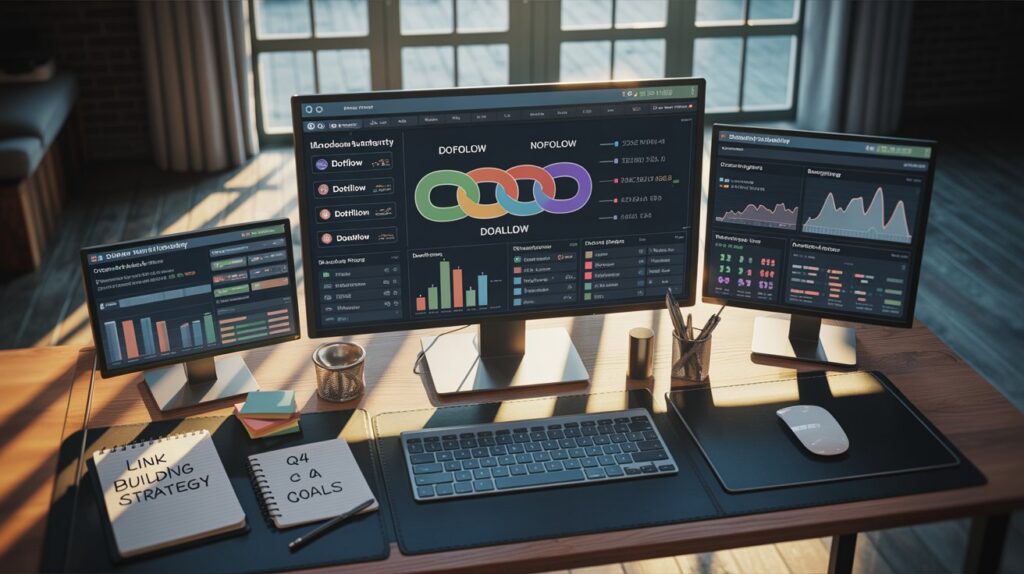
If you're wondering what is a nofollow backlink and whether it still matters for SEO, you're in the right place.
A nofollow backlink is a link with a rel="nofollow" tag that tells search engines not to pass ranking authority to the linked page.
I've worked on backlink audits across multiple niches. Most people either overthink nofollow links or skip them entirely. Both are the wrong move.
In this guide, I'll cover how nofollow links work, how they compare to dofollow links, why they still hold value, where they come from, and how to get them right.
What Is a Nofollow Backlink?

A nofollow backlink is a hyperlink that carries the rel="nofollow" attribute in its HTML code. This tag tells search engines not to pass ranking authority, also called link juice or PageRank, to the page being linked.
Understanding the nofollow link meaning is important. It doesn't mean the link is invisible or useless. It just means SEO authority isn't transferred.
Google introduced this attribute in 2005 mainly to fight link spam. It's now a standard part of how the web handles links.
How Nofollow Backlinks Work
Here's how the rel nofollow attribute looks in HTML:
<a href="https://yoursite.com" rel="nofollow">Visit Site</a>
That rel="nofollow" part is the signal. When a search engine bot reads it, it knows not to count this link as a trust vote for ranking purposes.
A regular link without that tag passes authority freely. With it, that flow is stopped or significantly limited, especially before Google's 2019 update changed the rules slightly.
Nofollow vs Dofollow Backlinks
Understanding the nofollow vs dofollow difference is the first step toward building a smarter link profile.
Key Differences Explained
A dofollow link typically passes ranking signals to the site it points to. A nofollow link usually does not, though Google may now treat it as a hint rather than a hard rule.
Dofollow links are the default. No special tag needed. Nofollow links require the rel="nofollow" attribute to be added manually.
In several backlink audits I've worked on, sites with a balanced mix of nofollow and dofollow links consistently looked more natural than sites chasing only dofollow links.
Comparison Table
This table breaks down how both link types compare across the factors that matter most for SEO.
| Feature | Dofollow | Nofollow |
| Passes link authority | Yes | Limited or none |
| Default link type | Yes | No |
| Used for paid links | Rarely | Commonly |
| Recommended for comments | No | Yes |
| SEO authority transfer | Strong | Limited |
| Google treatment | Ranking signal | Hint |
| Crawled by Google | Yes | Sometimes |
| Used for spam control | No | Yes |
Which Type of Link Is Better?
From a pure SEO standpoint, dofollow links carry more weight. But a link profile made entirely of dofollow links looks unnatural.
Real sites earn nofollow links from social media, forums, and news coverage. That mix signals to Google that your site is being talked about genuinely, not just built up for rankings.
Why Nofollow Backlinks Still Matter for SEO
They bring real traffic. A link from a busy Reddit thread or a news site can send thousands of visitors to your page, nofollow or not.
They grow your brand presence. When your name shows up in more places, people recognize it. That trust builds slowly but it builds.
They keep your link profile natural. In my experience, sites with only dofollow links often trigger closer scrutiny from Google's systems.
They open doors. Someone finds your content through a nofollow link, likes it, and links to it from their blog. That's a dofollow link you earned without chasing it directly.
Common Types of Nofollow Backlinks
These are the most common places where nofollow links appear, and each one can still support your SEO in its own way.
Social Media Links
Platforms like Facebook, Twitter, and LinkedIn mark all outgoing links as nofollow. Your profile links and post links won't pass authority, but they drive traffic.
Blog Comments
Comment sections almost always tag links as nofollow. Blog owners do this to keep spam out. A relevant comment on a popular post still gets you visibility.
Forum Links
Reddit, Quora, and most forums use nofollow on outbound links. A helpful answer with a link to your content can send solid traffic your way.
YouTube Description Links
Links in YouTube video descriptions are nofollow. But a popular video in your niche can drive a steady stream of visitors to your site.
Wikipedia Links
Every external link on Wikipedia is nofollow. Getting cited there is still a credibility signal and brings consistent, long-term traffic.
Press Release Links
Most press release sites tag links as nofollow. But press releases help with brand exposure and can attract journalists who link back from their own articles.
Sponsored and Affiliate Links
Google's guidelines require paid or sponsored links to use rel="sponsored" or rel="nofollow". This keeps things transparent and prevents ranking manipulation.
User-Generated Content (UGC)
In 2019, Google introduced the rel="ugc" tag for links added by users in forums or comments. This now sits alongside the original nofollow attribute as a separate option.
How to Check if a Backlink Is Nofollow
The easiest method is to right-click any link on a page and choose "Inspect." Look for rel="nofollow" near the link in the HTML.
You can also use SEO tools like Ahrefs, SEMrush, or Moz. They show whether each backlink is nofollow or dofollow in your full profile.
I personally use the NoFollow browser extension. It highlights nofollow links directly on the page as you browse. Very handy for quick checks.
Are Nofollow Backlinks Good or Bad?
Are nofollow links good? Yes, when they come from the right places.
A nofollow link from a high-traffic site like Forbes is far more valuable than a dofollow link from a low-quality spam site. The source matters more than the tag.
Google nofollow links can still appear as contextual signals after the 2019 hint update. So even the "no authority" rule isn't completely black and white anymore.
How to Get High-Quality Nofollow Backlinks
Here's what actually works:
- Answer questions on Quora and Reddit with a link to a relevant post.
- Pitch story ideas to journalists and bloggers in your niche for press coverage.
- Leave thoughtful comments on high-traffic blogs in your space.
- List your site on trusted business directories.
- Share content on social platforms to earn natural mentions.
The goal isn't to game the system. It's to show up in real conversations where your content genuinely helps.
Nofollow Link Mistakes to Avoid
Adding nofollow to every link on your own site. This limits your internal linking value and confuses search engines.
Ignoring nofollow links in your SEO plan. They carry real benefits beyond direct rankings.
Spamming comments just to drop a link. It looks bad and doesn't help.
Not knowing the difference between rel="nofollow", rel="ugc", and rel="sponsored". Google treats each one differently. Using the wrong tag on paid links can cause issues.
Nofollow Backlinks and Google Updates
In September 2019, Google updated how it handles nofollow links. Before this, they were completely ignored for ranking purposes.
After the update, Google said it would treat nofollow as a "hint" rather than a hard rule. This means Google may consider some nofollow links when ranking pages, though it's not guaranteed.
The same update introduced rel="ugc" for user-generated content and rel="sponsored" for paid or affiliate links. These exist alongside the original nofollow attribute.
This shift shows that nofollow backlinks in SEO carry more weight than they did before 2019. It's worth factoring into your link building strategy.
Conclusion
Nofollow backlinks are not a waste. They drive traffic, build your brand, and keep your link profile looking natural.
Since Google's 2019 update, some nofollow links may even influence rankings as hints.
In my experience working on backlink strategies across different niches, sites that grow consistently treat nofollow links as part of the plan, not an afterthought.
A strong SEO strategy includes both dofollow and nofollow backlinks.
Nofollow links contribute to traffic, visibility, trust, and long-term link growth. Use them smartly alongside your dofollow work.
So here's something worth thinking about: is your current link building strategy making room for nofollow links, or are you leaving real value on the table?
Frequently Asked Questions
What does nofollow mean in a backlink?
It means the link carries a rel="nofollow" tag that tells search engines not to pass ranking authority to the linked page. It doesn't make the link invisible, just limits its SEO impact.
Can nofollow backlinks help a website rank?
Not directly, but they bring traffic and make your link profile look natural, which supports rankings over time. Google may also treat some as hints after the 2019 update.
Should I remove nofollow links from my backlink profile?
No. Removing them can make your profile look unnatural. A mix of nofollow and dofollow links is what a real, organic link profile looks like.
Are nofollow links from Wikipedia worth getting?
Yes. Wikipedia links are nofollow but they bring consistent traffic and add credibility to your site. Getting cited there signals that your content is trustworthy.
What is the difference between rel="ugc" and rel="nofollow"?
Google introduced rel="ugc" specifically for user-generated content like forum posts and blog comments. Both limit authority transfer, but ugc gives Google more context about where the link came from.
