
How Can You Refine Your Content Distribution Strategy?

I once spent 11 hours writing a blog post that got fewer than 30 visits in its first month. The writing was solid. The research was good.
But I had no real content distribution strategy behind it, and it disappeared completely.
If that sounds familiar, this guide is for you.
I'll show you how to refine your content distribution strategy from the ground up, covering the right channels, key metrics, and tools that actually move the needle.
I've tested these across multiple niches, and the shift in organic content reach was significant every time. You'll also get a checklist to start using today.
What Is a Content Distribution Strategy?
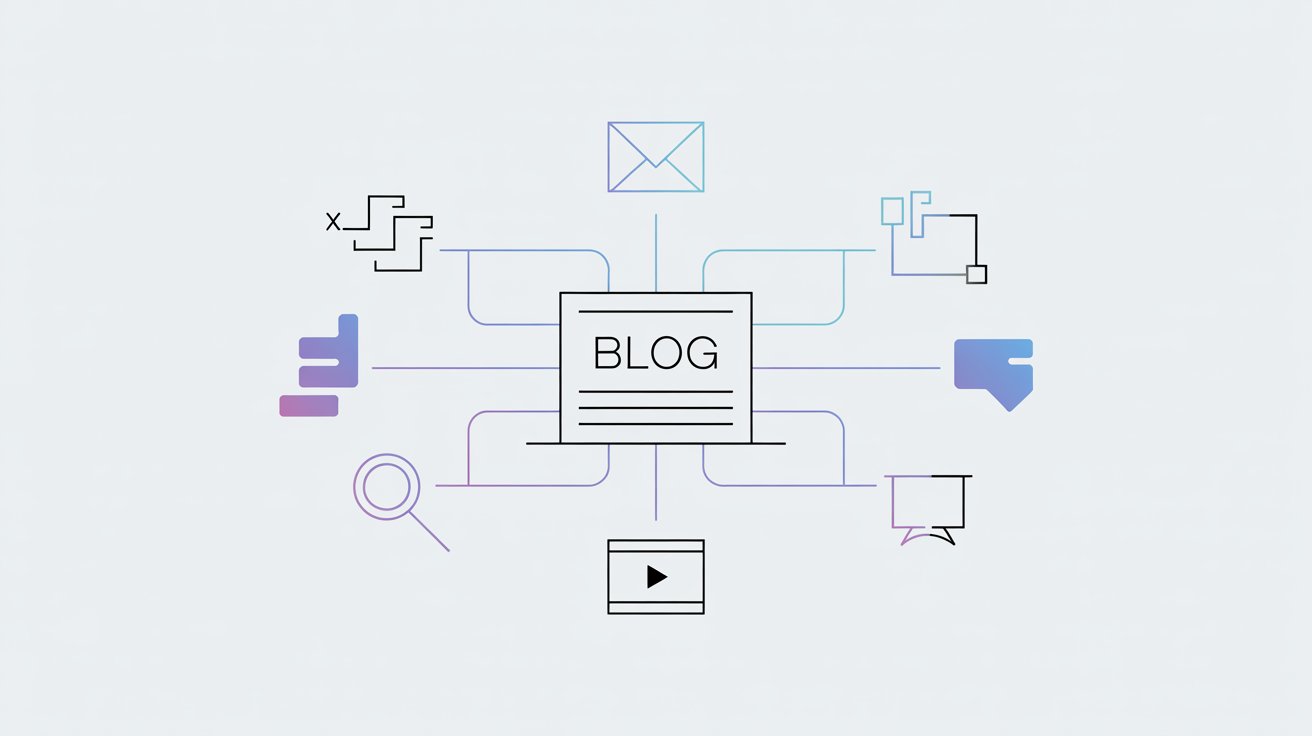
A content distribution strategy is your system for getting content in front of the right people.
It covers which channels you use, what formats you post, how often you publish, and who you're targeting. Without a plan, even your best work gets buried.
Why You Need to Refine Your Content Distribution Strategy
Most businesses don't have a content problem. They have a distribution consistency problem.
Audiences move. Algorithms shift. What performed well last quarter may be dead weight today.
Refining your content promotion strategy means you stay relevant without creating more content from scratch.
It means your existing work keeps pulling traffic, generating leads, and building trust over time.
How Can You Refine Your Content Distribution Strategy Effectively?
Small changes to how you distribute content can deliver results that months of extra publishing cannot.
1. Understand Your Target Audience Better
Go beyond basic demographics. Look at what content they engage with, when they're active, and which platforms they actually use. I noticed one of my articles pulled 60% of its traffic from a niche Facebook group, not search. That changed my entire audience targeting approach.
2. Audit Your Existing Distribution Channels
Not all channels deserve equal time. I ran a three-month audit across email, LinkedIn, Twitter, and organic search. LinkedIn drove consistent traffic. Twitter drove almost nothing. I cut Twitter effort by 80% and redirected that time. Results improved fast.
3. Focus on High-Performing Content Formats
Check which formats get real engagement. For me, long-form guides outperformed short posts every single time in search. But short video clips drove faster social engagement. Match format to goal, not habit.
4. Match Content to the Right Platform
A LinkedIn post and an Instagram caption are completely different. One of my SaaS articles flopped on Instagram but became one of my best-performing pieces on LinkedIn. Platform fit matters more than posting frequency.
5. Improve Timing and Posting Frequency
Use platform analytics to find peak activity windows for your audience. I shifted my newsletter send time from Monday morning to Tuesday afternoon and saw a 22% jump in open rates without changing the content at all.
6. Repurpose Content Across Multiple Channels
One detailed blog can become a newsletter, three social posts, a short video script, and a podcast talking point. I regularly do this to stretch content without starting from scratch. Multi-channel distribution doesn't always mean more work. It means smarter work.
7. Use SEO to Strengthen Distribution
Strong SEO turns your content into a consistent traffic source. Use semantic keywords like content amplification, content marketing distribution, and organic content reach throughout your writing. Structure posts clearly. Write solid meta descriptions. Search traffic doesn't disappear when you stop paying for ads.
8. Personalize Content Distribution
Segment your email list based on behavior and interests. Send product content to buyers. Send educational content to new subscribers. Personalization improved my click rates by over 30% in one campaign without changing the actual content.
9. Leverage Influencers and Partnerships
A simple content swap with someone in a related niche brought me more referral traffic in one week than three months of solo posting had. You don't need a big budget. You need the right relationships.
10. Automate Distribution Workflows
Scheduling tools keep content moving without you being online all day. I automate social posts, email sequences, and repurposing workflows. Automation cuts the manual load and keeps distribution consistent even on busy weeks.
Key Metrics to Measure Distribution Success
If you're not tracking results, you're guessing. Here's what actually tells you whether your distribution is working.
Traffic Sources:Know exactly where visitors come from. Social, search, email, or direct. This tells you where to put more effort.
Engagement Rate:Likes, comments, shares, and time on page. High engagement means your content matched what your audience needed.
Click-Through Rate:A low CTR usually means your headline or preview text isn't connecting. Fix the hook before you fix the content.
Conversion Rate:Visits are nice. Conversions are what matter. Track sign-ups, purchases, and form fills tied to specific distribution channels.
Bounce Rate:If people leave immediately, something didn't match their expectations. Check if your content aligns with what brought them there.
Social Shares and Mentions:When people share your content without being asked, that's a trust signal worth tracking.
Lead Generation Metrics:How many actual leads did your content produce? This is the clearest measure of distribution ROI.
Best Tools for Refining Content Distribution
The right tools cut the time it takes to distribute, track, and improve content across every channel.
Analytics Tools: Google Analytics and Search Console show you what's driving traffic and where people drop off. I check these weekly, not monthly.
Social Media Management Tools:Buffer and Hootsuite let you plan and schedule posts across platforms without logging in and out every day.
SEO and Content Tools:Ahrefs and SEMrush help you track keyword rankings, find content gaps, and monitor backlinks that support your distribution reach.
Email Marketing Platforms: Mailchimp and ConvertKit make list segmentation and automation straightforward. Personalized email campaigns consistently outperform blasted newsletters.
Advanced Content Distribution Strategies
These are the approaches that separate brands getting steady traction from brands still waiting for content to take off on its own.
- Omnichannel marketing keeps your message consistent across every platform your audience uses, so they recognize you regardless of where they find you.
- Content syndication puts your work on platforms like Medium or industry publications, giving you access to audiences you'd take months to build from scratch.
- Community-based distribution means posting in Facebook groups, Reddit threads, and Slack communities where your exact audience already gathers and trusts the source.
- AI-powered audience targeting uses behavioral data to serve your content to the people most likely to engage, not just the people who broadly match a demographic.
- Retargeting campaigns bring back visitors who already showed interest, turning cold traffic into warm leads through consistent, relevant follow-up.
Content Distribution Strategy Examples
A B2B brand might publish a blog, send it as a newsletter, turn it into a LinkedIn post, and host a related webinar.
A lifestyle brand might post a reel, add behind-the-scenes Stories, and link the full piece in their bio.
The format changes. The audience and message stay consistent.
Biggest Content Distribution Mistakes to Avoid
Posting without a plan. Ignoring what the data shows.
Using the same format across every platform. Never repurposing existing content.
Skipping email entirely.
These are the mistakes I see most often. All of them come from treating distribution as an afterthought instead of the strategy itself.
Future Trends in Content Distribution
AI will keep changing how content gets targeted and surfaced. Short-form video isn't slowing down.
Personalization is moving from a nice feature to an expected standard. Audio content and voice search are picking up real traction.
The brands winning right now are staying flexible and testing new formats before they become crowded.
Actionable Checklist to Refine Your Content Distribution Strategy
Make sure you go through this once:
- Audit all current channels and cut the ones with no return.
- Identify your top two performing content formats.
- Find out which traffic source drives the most conversions, not just visits.
- Set a fixed posting schedule and stick to it for 60 days.
- Repurpose your three best-performing pieces across at least two new channels.
- Segment your email list by interest or behavior.
- Add one scheduling or automation tool to your current workflow.
- Review key metrics every month and adjust based on what you find.
Conclusion
The brands winning attention right now aren't always creating more content. They're distributing it better.
I've seen steady traffic grow from nearly zero just by fixing where and how content was being shared, not by writing more of it. The strategy was the problem, not the output.
Start with your audit. Cut what isn't working. Double down on what is. Build automation into your workflow so distribution doesn't depend on you being available every day.
Your content already has value. The question is whether your distribution strategy is giving it a real shot at reaching the people who need it.
So tell me: which part of your distribution strategy will you fix first this week?
Frequently Asked Questions
What is the first step to refining a content distribution strategy?
Start with a channel audit to see where your traffic and engagement actually come from. That data tells you exactly where to focus and what to stop doing.
How long does it take to see results after refining a distribution strategy?
Most people start seeing measurable changes within 60 to 90 days of making consistent adjustments to their channel focus, timing, and content formats.
Is organic content reach still viable in a pay-to-play environment?
Yes, especially through SEO and community-based distribution. Organic reach takes longer to build but delivers consistent results without ongoing ad spend.
How do small teams manage multi-channel distribution without burning out?
Repurposing and automation are the two biggest time-savers. One piece of content can cover multiple channels without starting from scratch each time.
What's the biggest sign that a content distribution strategy needs work?
If you're getting traffic but no conversions, or strong content with almost no reach, the distribution system is the problem, not the content itself.
