
How to Get High Quality Backlinks in 2026

I have spent years figuring out what actually moves the needle in SEO.
And I can tell you this:backlinks still matter more than most people think.
If you want to know how to get high quality backlinks, you are in the right place.
I will cover what they are, why they matter, how Google reads them, and the exact steps I use to build them. I will also share the tools, outreach tips, and mistakes to skip.
I have seen these methods work across real websites in competitive niches.
Let's get into it.
What Are High Quality Backlinks?
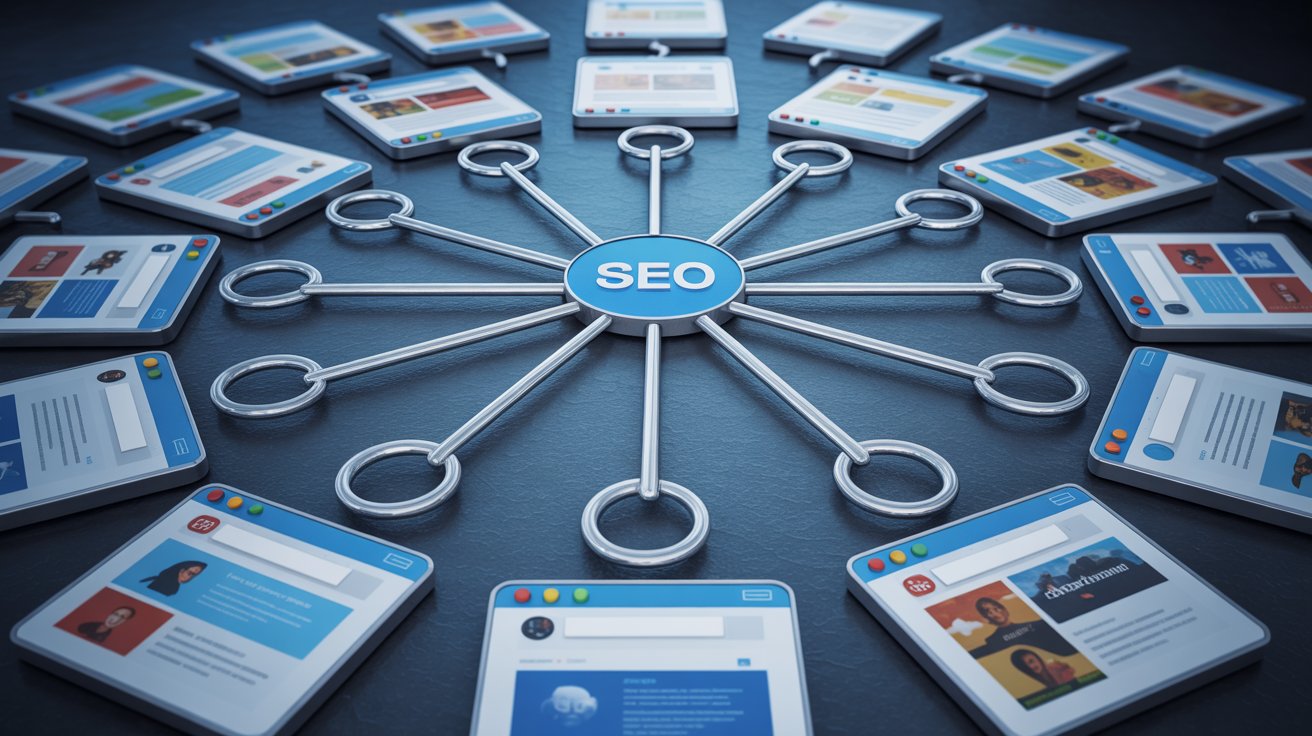
A high quality backlink is a link from another website to yours. But not just any link. It comes from a site that Google already trusts.
Think of it like a recommendation. If a well-known expert tells their audience about your work, that carries real weight. A random site saying the same thing? Much less.
High quality backlinks usually share three things in common:
- They come from sites with strong domain rating (DR)
- The linking page is topically relevant to yours
- The link is placed naturally inside the content, not buried in a footer
Dofollow backlinks pass link equity to your site. Those are the ones that directly affect rankings. Nofollow backlinks still bring traffic and brand visibility, but they do not pass the same SEO value.
Why High Quality Backlinks Matter for SEO
Google uses backlinks as votes of trust. The more trustworthy referring domains point to your site, the more Google treats your content as reliable.
This affects your topical authority over time. A site that earns links consistently across a niche signals to Google that it knows what it is talking about.
One strong link from a top publication has outperformed 40 to 50 weak links in my own testing. Volume without quality is noise.
Good backlinks also bring referral traffic. Real people click those links and land on your pages. That signals engagement to Google on top of the link value.
How Google Evaluates Backlink Quality
Not all links are counted equally. Google looks at several factors before deciding how much weight to assign.
Domain rating matters. A site that has been around for years and consistently earned links from trusted sources carries more authority.
Relevance matters just as much. A nutrition blog linking to a fitness article makes complete sense. A casino site linking to that same article sends a confusing signal. Topical mismatches reduce link value.
Link placement affects equity too. A link inside the body of a well-written article is worth more than one tucked in a sidebar or a generic footer.
Anchor text tells Google what your page is about. Too many exact-match anchors can look manipulative.
A natural link profile includes a mix of branded anchors, partial matches, and generic terms like "read more" or "this post."
Link velocity also plays a role. Earning 200 links in a week from nowhere looks unnatural. Slow and steady growth reads as genuine.
Types of High Quality Backlinks You Should Target
Editorial backlinks come when a writer references your content naturally inside their article. No pitch required. You earn these by publishing something genuinely useful.
Guest post backlinks are links you include when writing for another site. These work well when the host site has strong DR, real traffic, and editorial standards.
Resource page links come from pages that list helpful tools and references for a topic. Getting listed on one of these in your niche is a solid, passive win.
HARO and journalist backlinks come from responding to reporters who need expert sources. Done consistently, this method builds links from major publications with very high domain authority.
Broken link building means finding dead links on other websites and offering your content as a replacement. Site owners want their pages clean. You give them a fix and earn a link.
Digital PR backlinks come from press coverage. A data study, a survey, or a newsworthy business move can earn links from news sites without a single outreach email.
Niche directory backlinks are listings in industry-specific directories. Not as powerful as editorial links, but they add diversity to your link profile.
Local business citations are mentions of your business name, address, and phone number on local sites. For local SEO, these carry real ranking weight.
How to Get High Quality Backlinks Step by Step
Here are the six methods I rely on most. Each one is repeatable, white hat, and built for long-term results.
Create Link-Worthy Content
This is where everything starts. If the content is not worth referencing, no outreach strategy will save it.
I focus on content formats that naturally attract links:
- Original data and surveys
- Comprehensive how-to guides that go deeper than competitors
- Comparison posts with clear, honest conclusions
- Free tools or calculators relevant to my niche
Before publishing, I ask myself: would someone link to this without being asked? If the honest answer is no, I keep working.
Use Guest Posting the Right Way
Guest posting still drives results. But the bar has gone up.
Pitching low-traffic, low-DR sites just to get a link is a waste of time. Worse, it can dilute your link profile. I only target sites where the audience would genuinely benefit from reading my content.
My process:research the site thoroughly, pitch a topic that fills a gap in their existing content, and write something I am actually proud of. The link is secondary to the relationship.
Build Backlinks Through Digital PR
Digital PR is one of the most underused link building strategies I know.
The idea is simple. Create something newsworthy, then put it in front of journalists. A study showing surprising data in your niche. A free tool that solves a real problem. An expert take on a trending story.
I also use HARO (Help a Reporter Out) to respond to journalist queries. When a reporter needs a source on a topic I know well, I give them something specific and quotable. That lands links from publications with DR 70 and above.
Find and Replace Broken Links
This method works because you are solving a problem for someone else first.
Using Ahrefs or a tool like Check My Links, I find broken outbound links on high-authority pages in my niche. Then I contact the site owner, tell them the link is broken, and suggest my relevant content as a replacement.
The response rate is better than cold outreach because I am being helpful, not just asking for something.
Use Competitor Backlink Analysis
If another site earned a link, there is a good chance you can too.
I pull competitor backlink profiles using Ahrefs. I filter for referring domains with DR above 40 and real organic traffic. Then I work through the list.
For each site, I figure out what made them link to my competitor and offer something that fits the same need, or something better.
Earn Links Through Relationships
This takes the most time but produces the most durable results.
I stay active in my niche through communities, industry newsletters, and collaborative content. When people know your work and trust your perspective, they reference it naturally.
Co-authored articles, interview features, and expert roundups are all low-friction ways to earn editorial links while building real professional relationships.
Best Tools to Find High Quality Backlink Opportunities
Ahrefs is the tool I use most. It shows competitor backlink profiles, broken link opportunities, referring domains, and DR scores all in one place.
SEMrush is strong for keyword research and tracks your backlink growth over time.
Google Search Console is free and shows you exactly who is already linking to your site. I check it every week.
Hunter.io helps me find verified email addresses for outreach. It saves hours.
HARO connects you with journalists actively looking for expert sources. Free to use. High upside for link equity from major publications.
Backlink Outreach Strategies That Actually Work
Short emails win. Three paragraphs maximum. One ask. No fluff.
I open every pitch with something specific about their site. Not "I love your content." Something real, like a specific post I referenced or a gap I noticed in their resource page.
Then I make the value clear: here is what I have, here is why it fits your audience. I keep the focus on them.
One follow-up email after five to seven days. That is the limit. If they do not respond after that, I move on.
Personalization matters more than volume. Sending 20 targeted emails beats sending 200 generic ones.
Common Backlink Mistakes to Avoid
Buying links seems fast but creates serious risk. Google has algorithms and manual reviewers specifically looking for paid link patterns. The penalty can wipe out months of ranking progress.
Getting links from irrelevant sites hurts your topical authority. A cooking blog linking to a B2B software company confuses Google's understanding of your site.
Ignoring anchor text diversity is a mistake I see often. When every backlink uses the exact same keyword phrase, it looks like a scheme. Mix in branded anchors, natural phrases, and generic terms.
Toxic backlinks from spam sites, link farms, or penalized domains can drag your site down. Run a backlink audit every few months and disavow anything suspicious.
Building links in sudden spikes looks manipulative. Link velocity matters. A steady, consistent growth pattern is what a natural link profile looks like to Google.
How Many High Quality Backlinks Do You Need?
It depends on the competition in your space.
For low-competition keywords, 10 to 20 solid links from relevant referring domains can get you to page one. For tougher keywords, that number might be 100 or more.
I always benchmark against the top three ranking pages. If they average 60 referring domains, I aim to match or surpass that while maintaining higher relevance and DR standards.
How Long Does It Take to See Results?
Three to six months is realistic for most sites.
Once a backlink is live, Google needs to crawl and index it. That alone can take two to four weeks. After that, rankings shift gradually as the link equity accumulates.
Exact-match domains in competitive niches sometimes take longer. Fresher sites with thin authority may wait six to nine months before seeing significant movement.
How to Check Backlink Quality
Domain rating (DR) is my first filter. I look for linking sites with DR above 40, though anything above 60 in a relevant niche is strong.
Organic traffic is equally important. A site with high DR but near-zero traffic may have been penalized. That is a warning sign. I check traffic estimates inside Ahrefs before counting a link as valuable.
Relevance is the third check. Is the linking page actually about something connected to my content? A topically relevant link from a DR 45 site often outperforms an irrelevant link from a DR 70 site.
Page Authority (PA) of the specific linking page also matters. A link from a well-trafficked article carries more weight than one from an obscure corner of the same domain.
White Hat vs Black Hat Backlink Building
White hat methods are based on earning links. Guest posts on real sites, digital PR, original research, and personalized outreach. These take time but build a stable, trustworthy link profile.
Black hat methods are based on manipulating the system. Private blog networks (PBNs), link buying, cloaking, and hidden links.
Some of these produce fast results. But Google's algorithm evolves constantly, and manual penalties hit hard when they do.
I have seen sites lose 80% of their traffic overnight from a manual penalty. Recovery takes months. It is not worth the risk.
Real Examples of High Quality Backlinks
A data study I published on content marketing trends earned eight editorial links within 60 days. All from domains with DR above 60. No outreach. Writers found it through search.
A guest post I wrote for a well-known marketing site three years ago still sends referral traffic every week. That one link has contributed to dozens of secondary links from people who found my site through it.
One broken link I flagged to a resource page editor resulted in my article being added within 24 hours. The page had 40 referring domains pointing to it. A single email, one link.
Advanced Strategies to Scale Backlink Growth
Build content clusters. When one article earns links, internal links distribute that equity to related pages across your site. This lifts the authority of pages you cannot easily build links to directly.
Create a data asset your niche will cite annually. Original surveys and industry reports get referenced repeatedly, year after year, with no additional outreach effort.
Repurpose high-performing content into formats others want to embed. Infographics, original charts, and data visualizations attract links from writers who want visual content they cannot easily create themselves.
Collaborate with other writers or creators in your niche. Interviews, co-authored posts, and expert panels earn links from both parties' audiences naturally, without cold outreach.
Conclusion
Building strong backlinks is not a one-time project. It is an ongoing part of serious SEO. I have seen the right links shift a site from page five to page one inside four months.
Start with content that genuinely earns attention. Add guest posting, digital PR, and broken link building as steady habits. Keep your link profile clean by auditing for toxic backlinks regularly.
Use tools like Ahrefs to track your referring domains and DR growth. Skip anything that promises fast results through shortcuts.
The sites that rank long term are the ones that built trust through real links, real content, and real consistency.
What is the first backlink strategy you are going to put into action this week?
Frequently Asked Questions
What makes a backlink high quality?
A high quality backlink comes from a trusted, topically relevant site with real organic traffic. It sits naturally inside the content and passes dofollow link equity to your page.
Can I build backlinks without spending money?
Yes. Broken link building, HARO outreach, and guest posting are all free methods. They take time and effort, but they consistently produce solid referring domains with no cost involved.
How do I know if a backlink is hurting my site?
Look for links from spam sites, link farms, or penalized domains in your backlink profile. Low DR, zero traffic, and no topical relevance are the clearest warning signs. Disavow anything suspicious.
Is guest posting still effective in 2026?
Yes, but only on sites with real audiences and editorial standards. Avoid mass guest posting on low-quality blogs. One strong placement on a niche site with real traffic outperforms ten weak placements.
How often should I build backlinks?
Consistency matters more than volume. Building five to ten strong links per month beats rushing to get 50 weak ones at once. A natural link velocity is what a healthy link profile looks like to Google.
